


Featured Precision Components Optimized for Industrial Water Tank Assembly


The Technological Evolution of UHMWPE Plastic Plates in Modern Liquid Containment Engineering
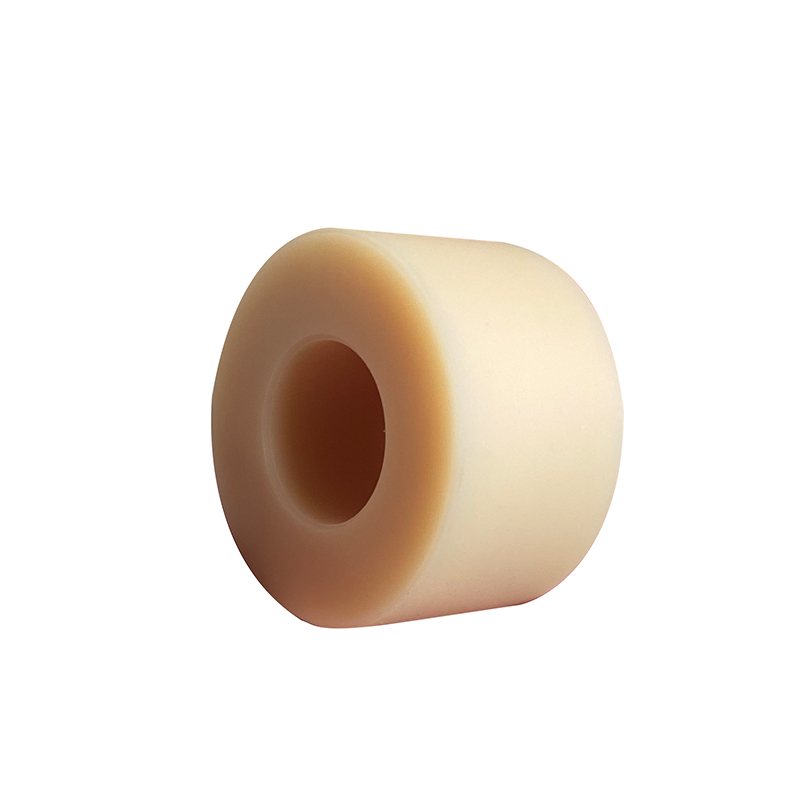
In municipal water distribution, massive industrial effluent facilities, commercial HVAC reserves, and offshore storage tanks, fluid containment integrity relies heavily on dynamic and static joint performance. While conventional elastomers like EPDM, NBR, and metallic gaskets have fulfilled historical roles, the progressive adoption of the UHMWPE plastic plate for water tank sealing marks a fundamental paradigm shift. UHMWPE (Ultra-High Molecular Weight Polyethylene) possesses an extremely high molecular mass, averaging between 3.5 to 9.2 million g/mol. This unique molecular architecture yields a dense, non-branching molecular entanglement that demonstrates exceptional zero-porosity performance, complete hydrophobic repulsion, and unparalleled mechanical toughness under harsh chemical environments.
UHMWPE yields a moisture absorption rate under 0.01%, preventing volumetric expansion, internal hydrolytic cracking, or biological colonization inside potable water storage joints.
A coefficient of dynamic friction ranging from 0.10 to 0.15 eliminates seal galling, allowing seamless expansion-contraction cycles in massive sectional panel tanks.
Resists strong acids, industrial alkalis, chlorination byproducts, and saline media, ensuring leak-free performance without gasket degradation or liquid contamination.
The global fluid containment infrastructure sector faces rigorous environmental scrutiny, strict municipal guidelines for potable storage purity (NSF/ANSI 61 compliant benchmarks), and soaring costs associated with downtime and fluid loss. Traditional elastomer-based seals degrade rapidly when exposed to chlorinated municipal supplies, heavy ozonation, or industrial wastewater containing corrosive sludges. As a consequence, civil project developers, GRP/FRP water tank fabricators, and stainless-steel modular reservoir contractors have increasingly standardized on machined and extruded UHMWPE plastic plates.
The modern industrial seal market is transitioning away from composite rubbers that degrade or leach volatile compounds. Due to UHMWPE's exceptional physiological inertness and non-toxic properties, engineering specifications globally mandate high-density polyethylene and UHMWPE seal rings, flange isolators, and linear barrier strips for both high-purity drinking reserves and highly aggressive chemical tank containment bunds.
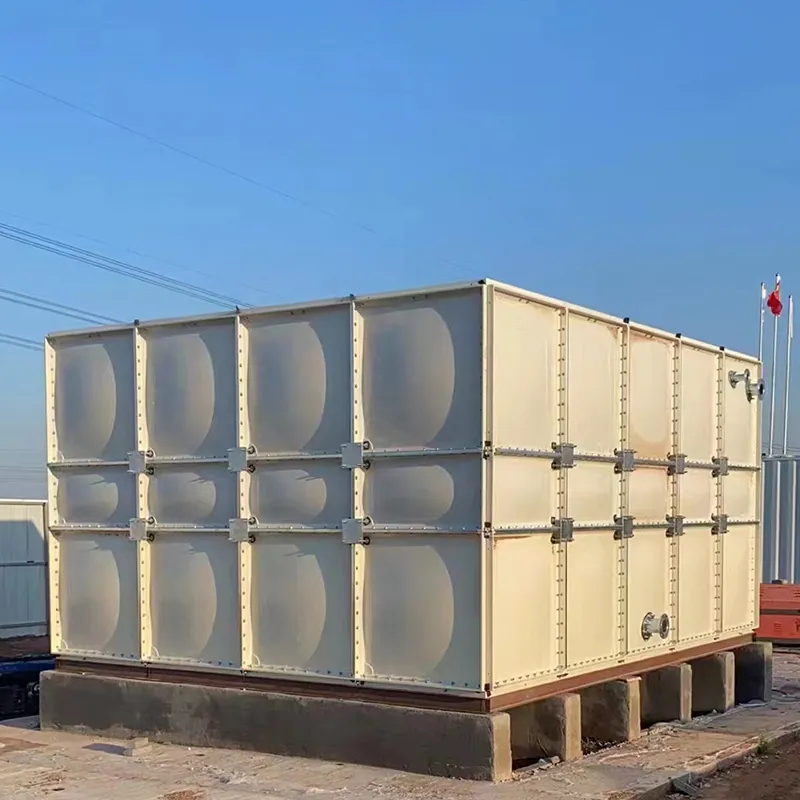
1. Sectional GRP and SMC Modular Tanks: In modular panel configurations, thermal variations generate micro-displacements across joint seams. UHMWPE plates serve as rigid low-friction compressive plates that prevent bolt shear while distributing torque loads evenly across perimeter fasteners.
2. Chemical Storage & Desalination Facilities: Seawater reverse osmosis (SWRO) tanks demand non-corrosive materials. Metallic seals corrode, whereas UHMWPE plate gaskets maintain dimensional precision and resist chloride pitting across years of continuous cyclic immersion.
3. Low-Temperature & Cryogenic Fluid Buffers: Unlike standard polymers that turn brittle at freezing thresholds, UHMWPE retains exceptional notch impact resistance down to -200°C, making it irreplaceable for exterior industrial cold-storage tanks.
AI-Optimized CNC Fabrication: Precision waterjet and multi-axis CNC routing ensure tolerances down to ±0.05mm, delivering perfect custom geometries for complex tank flanges.
Antimicrobial UHMWPE Compounds: Integration of nano-silver or inorganic zinc-pyrithione additives within virgin UHMWPE matrices guarantees 100% resistance against biofilm development in municipal reservoirs.
Circular Lifecycle Engineering: Thermoplastic UHMWPE components allow for mechanical re-processing at end-of-life, directly aligning with ESG directives and corporate decarbonization mandates.
Comprehensive Engineering Plastics, Gaskets, Rods, and Tubes for Modern Water Tank Sealing Infrastructures


