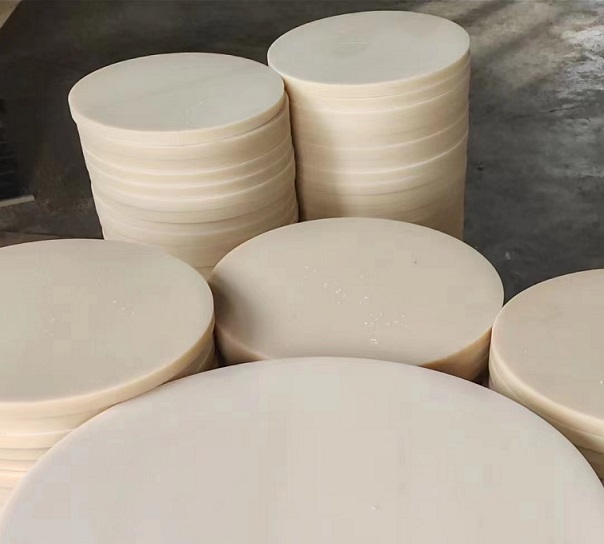
In modern mechanical engineering and severe industrial installations, kinetic shock mitigation has emerged as a cornerstone of equipment longevity and operational safety. Historically, hydraulic damping cylinders, elastomeric rubber cushions, and alloy steel springs bore the burden of kinetic energy absorption. However, under cyclic multi-axis impact stresses, corrosive outdoor operating circumstances, and high-frequency dynamic forces, traditional assemblies frequently fail due to metal fatigue, permanent rubber deformation, galling, or seal blowout. The industrial emergence of precision-extruded and cast nylon plastic pipe for impact buffer components represents a decisive evolutionary shift toward high-performance, non-metallic dynamic management.
Nylon—specifically Polyamide formulations including PA6, PA66, and Monomer Casting (MC) Nylon—possesses a unique balance of mechanical rigidity, viscoelastic damping, and elevated tensile toughness. Unlike metals that plastically deform or crack under severe overload, engineered nylon pipes deform elastically and viscoelastically under high-velocity dynamic compression, dispersing peak shock waves through internal molecular friction before transferring residual energy into mating frameworks. This intrinsic energy dissipation index shields expensive capital infrastructure, including piling rigs, heavy-duty stamping presses, mining hoists, and harbor docking systems.
Engineered hollow tubular profiles offer progressive crush characteristics. Under high compressive velocity, the molecular chain rotation within the polyamide matrix converts kinetic impact energy into minute thermal release rather than destructive structural rebound shock waves.
Unlike steel buffers subjected to millions of dynamic cycles, nylon buffer pipes exhibit zero spalling, no surface micro-welding (galling), and high resistance to stress-corrosion cracking even when operating in humid, saline, or chemically active settings.
Nylon components feature one-seventh the density of steel, substantially reducing deadweight in mobile impact heads. Simultaneously, their low acoustic impedance reduces equipment decibel output significantly during heavy percussive strikes.
In hydraulic and diesel impact hammer machinery, steel-on-steel contact creates instantaneous shock peaks exceeding hundreds of kilonewtons. This causes rapid fracturing of hammer rams and severe damage to pile heads. Precision-machined, heavy-wall nylon pipes and ring cushions serve as expendable yet highly durable impact buffer components. Positioned between the striker plate and the anvil, the nylon buffer absorptive pipe moderates the stress wave rise time, ensuring uniform transfer of driving energy into the pile without damaging the hydraulic cylinder assembly or causing shattered pile tops.
Automated overhead gantry cranes, rail cars, and automated storage/retrieval systems (ASRS) experience end-of-stroke impacts during rapid deceleration or positioning anomalies. Tubular nylon plastic pipe components arranged as progressive compressive stops offer a predictable load-deflection curve. Unlike solid blocks, the hollow cylindrical geometry provides space for radial expansion under axial compression, eliminating catastrophic hydraulic leakages and outperforming traditional polyurethane buffers in abrasive dust and high ambient heat.
Mineral processing plants manage constant multi-ton aggregate drops that pulverize structural chutes and vibration isolation systems. Heavy-gauge nylon buffer sleeves and tubular isolators absorb direct vertical stone impacts while preserving exceptional sliding abrasion resistance. Their natural self-lubricity prevents clogged fines and sticky clays from blinding the impact area, sustaining operational throughput in high-tonnage mining circuits.
Seawater environments rapidly degrade metallic spring buffers through pitting corrosion and marine growth. Cast nylon tubes are extensively deployed as internal stiffeners and resilient shock cores inside harbor fender arrangements. They withstand continuous saline immersion, petroleum contamination, and severe cyclic wave impacts without suffering embrittlement or structural weakening.
The engineering polymer sector is witnessing significant technological breakthroughs designed to push the envelope of impact attenuation performance. Driven by requirements for reduced downtime, IoT lifecycle tracking, and extreme weather survivability, modern nylon pipe manufacturing has evolved beyond generic extrusion into specialized advanced material formulations:

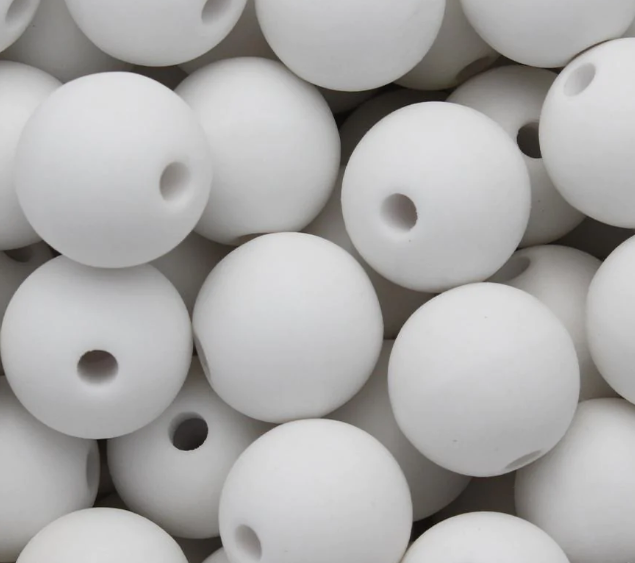
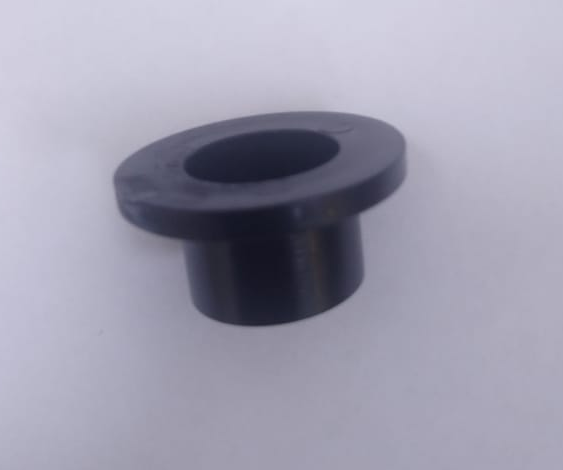
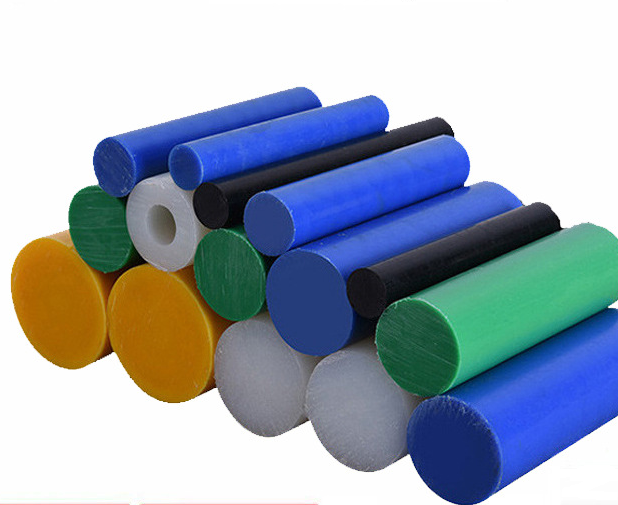
We SHUNDA manufacturer Have 20 Years experience in Nylon Board/Sheet, Nylon Rod, PP Rod, MC Casting Nylon Rod, Nylon Tube, Nylon Gear, Nylon Pulley, Nylon Sleeve, Nylon Pad, Nylon Ball, Nylon Flange, Nylon Chain, Nylon Connection, Nylon Stick, Nylon Screw&Nuts, Nylon Wheel, Nylon Fitting, Etc. The process is roughly divided into: MC static molding, extrusion molding, polymerization molding.
By the way, Acting for the production of POM, PE, PP, PTFE, ABS, PVDF, PET, UHMW-PE, PC, PVC, PMMA and other materials; rods; importing PEEK, PPS, PEI, PSU, PI and other materials. We insisit on the principle of customers first, quality first, best price and service. And we hope to establish a long-term business relationship with you. We have strong supply chain channels and perfect product line, which can meet various kinds of customers’ needs. We have a senior team of designers, super product development capabilities, advanced production technology, professional sales team to provide customers with one-stop service solutions.
Explore Our Products →