Advanced engineering plastic sheets tailored for high-pressure sealing and severe anti-corrosion applications.
Meeting rigorous chemical processing and structural criteria through specialized molecular properties.
Resistant to hydrocarbons, alkalis, fuels, and organic solvents. Prevents micro-fissuring and fluid leakage under aggressive environmental contact.
Retains bolting torque and compression load under fluctuating thermodynamic stresses, maintaining uniform gasket seat pressure continuously.
High molecular weight construction resists particulate scouring in abrasive slurries, prolonging equipment life across harsh industrial nodes.
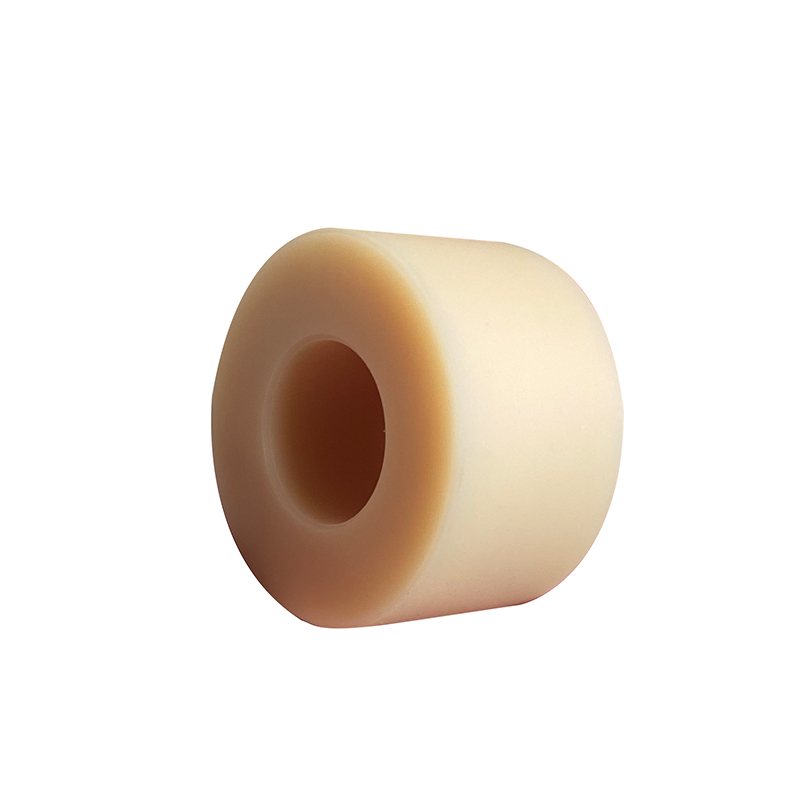
Industrial sealing assemblies operate under increasingly demanding operating parameters. Across petrochemical complexes, maritime infrastructure, municipal water treatment systems, and automated chemical processing units, the integrity of pipe joints, valves, pressure vessels, and mechanical housings relies heavily on the quality of sealing gaskets. While traditional elastomers degrade under solvent exposure and fluoropolymers often succumb to cold flow or mechanical shearing, Nylon Plastic Board for Anti-Corrosion Gaskets (predominantly manufactured from Polyamide PA6, PA66, and Monomer Cast MC Nylon) has emerged as an indispensable material solution. Combining superior structural modulus, resilience against harsh fluids, and high machinability, nylon boards represent an ideal bridge between rigid plastics and dynamic elastomeric seals.
Historically, gasket engineers relied extensively on compressed asbestos sheets, rubber compounds (such as NBR, EPDM, and Neoprene), and metallic composite gaskets. However, regulatory shifts towards environmental compliance, workplace safety, and fugitive emission mitigation have driven intense material innovation. Elastomeric polymers often swell, embrittle, or exhibit rapid chemical breakdown when exposed to organic solvents, refined aromatic hydrocarbons, and concentrated caustic solutions. Meanwhile, traditional metals face galvanic and chemical corrosion when handling brines, acidic vapors, or aggressive alkalis.
Consequently, the engineering plastics market has seen a rapid uptake of semi-crystalline polyamides. The global market for high-performance plastics in sealing solutions continues to expand at a steady CAGR of over 6.5%. Nylon plastic boards have become a baseline specification across international procurement standards due to their ability to endure severe operational wear, resist pressure blowouts, and provide repeatable dimensional stability. Today's industrial procurement managers are transitioning from standard off-the-shelf die-cut seals to precision-machined, CNC-milled anti-corrosion gaskets fabricated directly from monolithic, stress-relieved nylon plastic sheets.
The distinctive molecular architecture of polyamide gives nylon plastic board unique chemical and physical properties ideal for anti-corrosion gaskets:
When selecting sheet materials for sealing gaskets in aggressive media, engineers must balance multiple performance axes:
1. Nylon (PA6 / MC Cast) vs. PTFE (Polytetrafluoroethylene): While PTFE offers universal chemical inertness, it suffers from severe cold flow (creep deformation) under continuous bolting loads, often leading to interface leakage unless modified with costly fillers. Nylon plastic board retains structural rigidity, resisting flange displacement while exhibiting high chemical resistance to neutral and basic industrial agents.
2. Nylon vs. Traditional Nitrile/EPDM: Elastomers offer low sealing stress but degrade rapidly in the presence of strong solvents, UV light, ozone, and moderate-to-high temperatures. Nylon boards deliver long-term fatigue life without hardening or cracking.
3. Nylon vs. Metallic Gaskets: Metallic gaskets require high flange surface finishes and introduce significant galvanic corrosion risks between dissimilar alloys. Nylon acts as a dielectric insulator, preventing electrochemical corrosion between steel, stainless steel, and ductile iron pipe flanges.
1. Marine Engineering, Offshore Platforms, and Subsea Conduits:
Marine atmospheres are inherently aggressive, combining high chloride ion concentrations, high humidity, bio-fouling elements, and broad thermal swings. Gaskets manufactured from high-grade nylon plastic boards are extensively deployed in ballast water handling systems, desalination plants, deck winches, seawater intake manifolds, and dockside piling machines. The dielectric insulation of nylon eliminates galvanic couples between bronze valves and steel flanges, guaranteeing zero galvanic erosion.
2. Chemical Storage, Tank Farms, and Pipeline Infrastructure:
Storage depots for refined fuels, lubricants, esters, and ketones mandate gaskets that do not degrade or release volatile organic contaminants into fluid streams. Precision-machined nylon gaskets milled from void-free cast nylon boards maintain tight sealing interfaces under fluctuating hydrostatic pressure. Their wear-resistant profile also accommodates particulate matter found in unrefined petrochemical feedstocks.
3. Water Treatment and Desalination Infrastructure:
Modern wastewater reclamation plants utilize caustic chemicals for neutralization alongside chlorine dioxide and hypochlorite solutions. Nylon plastic boards serve as the foundation for durable manhole gaskets, flow-control weir seals, slide gate shims, and filtration pump seals. Their smooth surface profile inhibits biological biofilm adhesion, reducing maintenance cycles and system head loss.
4. Heavy Machinery, Earthmoving, and Construction Equipment:
Beyond standard piping flanges, anti-corrosion nylon boards are widely fabricated into heavy ring cushions, shock-absorbing thrust pads, and hydraulic cylinder seals for heavy hydraulic breakers, crane outriggers, and foundation piling apparatus. In these severe scenarios, the material acts simultaneously as a fluid seal, mechanical damper, and corrosive barrier against environmental moisture and mud slurry.
The manufacturing process determines the performance density and isotropic integrity of a nylon plastic board. Shunda utilizes three primary production methodologies:
The modern engineering plastic sector is evolving alongside digital technologies. Automated finite element analysis (FEA) coupled with AI-driven generative design software now allows engineers to accurately simulate stress distributions across complex gasket geometries prior to production. Custom toolpaths optimize sheet layout on CNC routers, cutting material waste by up to 25%.
Furthermore, the drive toward circular economies is accelerating development in closed-loop polyamide recycling. Clean post-machining nylon shavings are re-extruded into non-critical structural components, aligning with modern industrial ESG standards. Ongoing chemical research also focuses on hybrid nano-composite nylon boards featuring graphene reinforcement, promising next-generation gaskets capable of simultaneously resisting concentrated mineral acids and higher thermal spikes.
We SHUNDA manufacturer Have 20 Years experience in Nylon Board/Sheet, Nylon Rod, PP Rod, MC Casting Nylon Rod, Nylon Tube, Nylon Gear, Nylon Pulley, Nylon Sleeve, Nylon Pad, Nylon Ball, Nylon Flange, Nylon Chain, Nylon Connection, Nylon Stick, Nylon Screw&Nuts, Nylon Wheel, Nylon Fitting, Etc.
The process is roughly divided into: MC static molding, extrusion molding, polymerization molding.
By the way, Acting for the production of POM, PE, PP, PTFE, ABS, PVDF, PET, UHMW-PE, PC, PVC, PMMA and other materials; rods; importing PEEK, PPS, PEI, PSU, PI and other materials.
We insist on the principle of customers first, quality first, best price and service. And we hope to establish a long-term business relationship with you.
We have strong supply chain channels and perfect product line, which can meet various kinds of customers' needs. We have a senior team of designers, super product development capabilities, advanced production technology, professional sales team to provide customers with one-stop service solutions.

"Shunda Mission: Creative design, high quality products, Best Service, Shunda will be your best Choice."
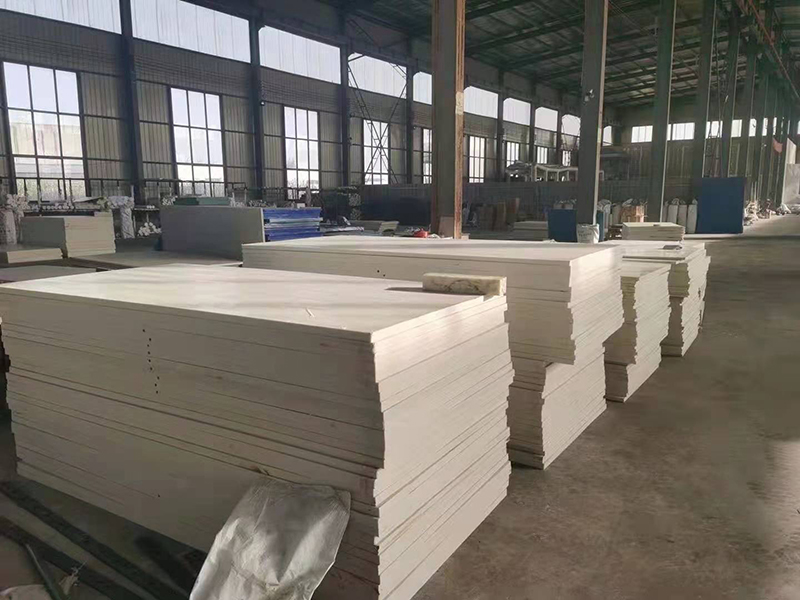
Advanced manufacturing infrastructure dedicated to high-precision engineering polymers.


Versatile stock shapes, sheets, tubes, and fabricated components designed for critical sealing and wear resistance.