Advanced engineering plastic solutions optimized for low friction and wear lining mechanisms


Modern Industrial tribology breakthroughs and long-term durability in mechanical systems
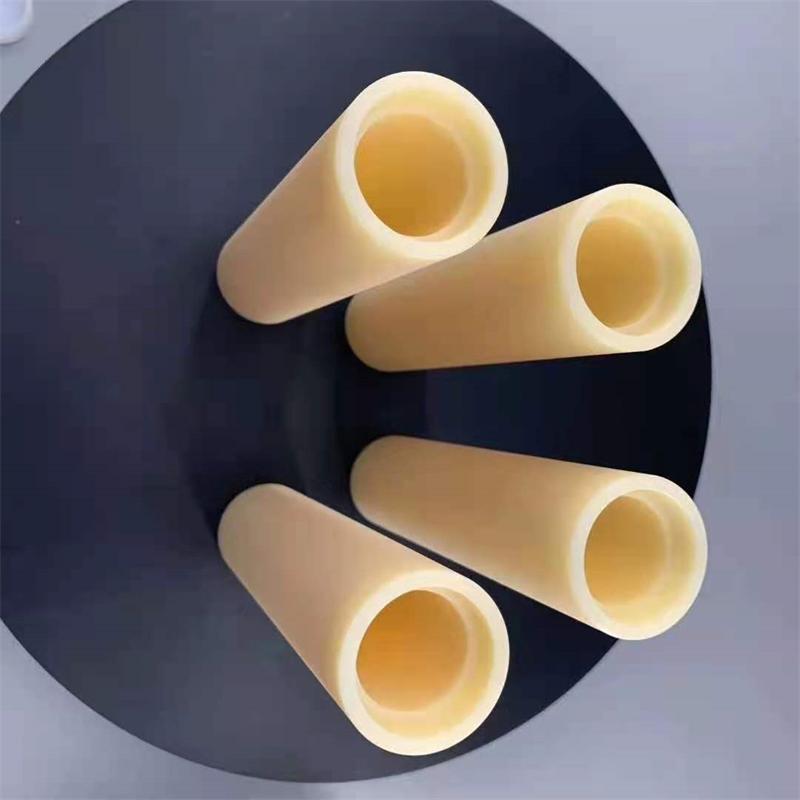
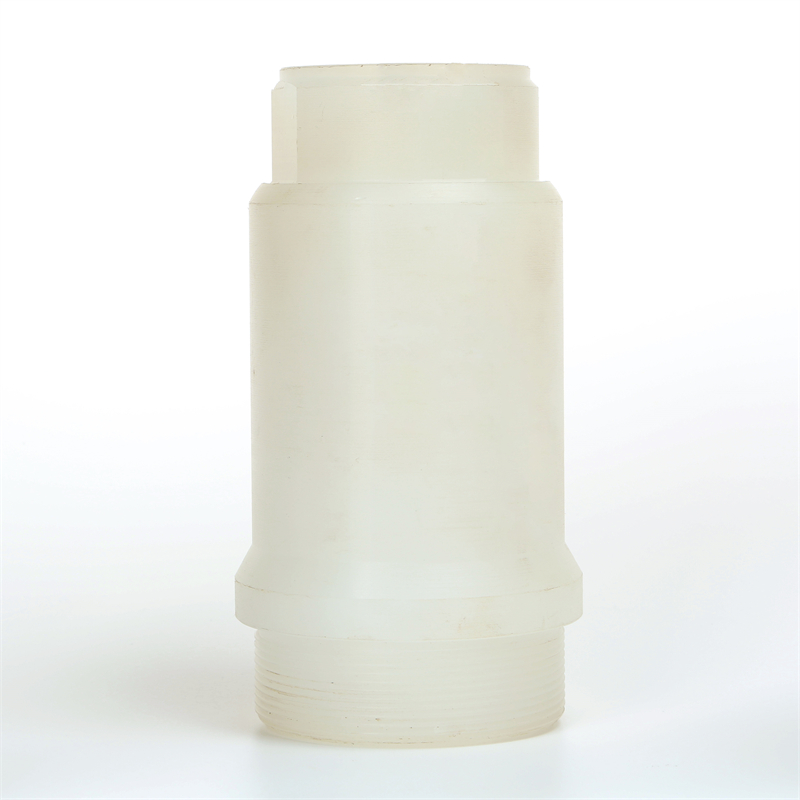
In the contemporary landscape of mechanical systems, industrial handling, and heavy chemical processing, material degradation resulting from mechanical wear presents one of the most critical operational bottlenecks. Traditional bronze, babbitt, and unlubricated metal bushings exhibit severe vulnerabilities when exposed to abrasive slurry, boundary friction, high cycle fatigue, and inadequate maintenance schedules. Consequently, the adoption of an optimized nylon bearing sleeve for wear resistant lining has transitioned from an alternative replacement option into an authoritative engineering standard across global equipment designs.
Engineered polyamides lower counterface mechanical friction coefficients dramatically, maintaining self-healing fluid-like contact layers without grease starvation.
High viscoelasticity provides superior dampening over traditional bronze, isolating shaft oscillations and absorbing shock loads that fracture rigid metal sleeves.
Particulates that cause abrasive galling on metallic surfaces are securely embedded into the nylon matrix without scratching mating shafts or compromising structural integrity.
The manufacturing sector's progressive push toward clean operations, lower Total Cost of Ownership (TCO), and carbon emission mitigation has fundamentally re-evaluated dry-running versus wet-lubricated components. Lubrication oils and greases are not only expensive ongoing consumables, but they also pose environmental contamination hazards when deployed in open environments such as mining excavators, aggregate conveyors, port infrastructure, and agricultural harvesters. A high-density nylon bearing sleeve configured specifically as a wear-resistant lining provides dry-running or boundary-lubricated capability, virtually eliminating recurring lubrication cycles while preserving adjacent metallic journals from severe galling.
Furthermore, digitalized factories governed by predictive maintenance systems favor polymer composites because their wear modes are consistently linear and non-catastrophic. Unlike metallic bushings that gall instantaneously when thermal limits or lubrication films fail, monomer cast (MC) nylon bearing sleeves gradually wear with trackable acoustic and thermal signatures, minimizing unplanned downtime and securing production continuousness.
The functionality of a nylon bearing sleeve used in wear-resistant lining setups hinges strictly on the polymer consolidation process. The manufacturing methodology dictates the internal molecular weight, crystal spherulite dimensions, and internal stress levels of the finished sleeve:
Monomer Casting (MC Static Molding): By initiating caprolactam polymerization inside temperature-controlled molds with dedicated alkaline catalysts, MC cast nylon achieves ultra-high molecular weights far surpassing standard extruded polyamides. This translates directly to outstanding surface hardness, higher tensile yielding thresholds, elevated heat deflection temperatures, and superior compressive load sustainability. These sleeves serve reliably under high surface pressures (P) combined with moderate operating velocities (V).
Precision Extrusion & Internal Fillers: Extrusion molding combined with functional tribological additives—such as molybdenum disulfide (MoS2), specialized graphite flakes, or solid PTFE blends—yields sleeves with extremely low kinetic friction. These modified crystalline structures prevent stick-slip motion, dissipate static electric charges, and prevent micro-welding phenomena under severe oscillating cycles.
Where does a nylon bearing sleeve deliver maximum value when utilized for wear-resistant linings? Critical mechanical intersections demand unique physical attributes:
Bulk Material Handling & Mining Transfer Systems: Highly abrasive quartz, coal particles, and iron sands enter moving mechanical clearance zones. Metallic sleeves rapidly score under such particulate intrusion, destroying dynamic tolerances. Cast nylon bearing sleeves embed these abrasive micro-particles into their outer viscoelastic surface layer, effectively neutralizing their cutting edges and shielding the rotating shafts from scoring.
Submerged Water and Wet Environments: In wastewater aerators, sewage scrapers, dredging pumps, and maritime rudder linkages, water strips away protective lubrication oils. Nylon formulations engineered for low dimensional swelling (or modified with specialized long-chain polyamides) operate immersed, utilizing surrounding moisture as an efficient coolant without undergoing hydrolytic embrittlement or electrolytic corrosion.
Dynamic Chemical Processing Pipelines and Valve Stems: When handling acids, alkalis, or aggressive solvents, corrosive vapor attacks plain steel bearings. Utilizing anti-wear nylon liners and sleeves ensures non-sparking characteristics, intrinsic spark-proof safety protocols, and resilient resistance against broad-spectrum industrial chemicals.
The developmental horizon for nylon wear sleeves lies in cross-linking nanotechnology and additive formulation breakthroughs. Carbon nanotubes (CNTs) and nano-ceramic spheres are increasingly compounded within monomer casts to increase thermal transfer capabilities, enabling nylon wear sleeves to dissipate frictional boundary heat twice as fast as traditional homopolymers. Simultaneously, standardized CNC machining geometries allow rapid customization of internal helical grease channels, dirt ejection grooves, and split-sleeve retrofit profiles without requiring capital-intensive tooling changes.
"Shunda Mission: Creative design, high quality products, Best Service, Shunda will be your best Choice."
Two decades of dedicated manufacturing prowess in engineering polymers and customized casting
We SHUNDA manufacturer have 20 Years experience in Nylon Board/Sheet, Nylon Rod, PP Rod, MC Casting Nylon Rod, Nylon Tube, Nylon Gear, Nylon Pulley, Nylon Sleeve, Nylon Pad, Nylon Ball, Nylon Flange, Nylon Chain, Nylon Connection, Nylon Stick, Nylon Screw&Nuts, Nylon Wheel, Nylon Fitting, Etc. The process is roughly divided into: MC static molding, extrusion molding, polymerization molding.
By the way, Acting for the production of POM, PE, PP, PTFE, ABS, PVDF, PET, UHMW-PE, PC, PVC, PMMA and other materials; rods; importing PEEK, PPS, PEI, PSU, PI and other materials. We insist on the principle of customers first, quality first, best price and service. And we hope to establish a long-term business relationship with you. We have strong supply chain channels and perfect product line, which can meet various kinds of customers' needs. We have a senior team of designers, super product development capabilities, advanced production technology, professional sales team to provide customers with one-stop service solutions.


Industrial engineered components for high-impact, abrasion-resistant, and structural lining applications