

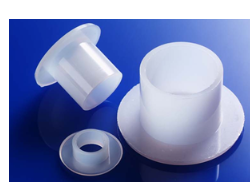


High-integrity wear-resistant lining components engineered for continuous material handling environments
Comprehensive material science, industrial transformation, and the macro-economics of high-performance polymer liners
In modern industrial processing, material degradation resulting from mechanical abrasion, continuous friction, and chemical impingement presents an ongoing operational challenge. Facilities dealing with heavy bulk materials—ranging from run-of-mine ores and raw coal to abrasive grain, synthetic aggregates, and industrial slurries—frequently experience catastrophic chute degradation, premature hopper burn-through, and excessive system downtime. Historically, maintenance engineers relied heavily on quenched alloy steels, basalt stone tiles, and hardened chromium carbide overlays (CCO). However, the ongoing paradigm shift in materials engineering has established engineering plastic sheet for wear resistant lining as the premier solution for severe sliding wear, flow enhancement, and impact absorption.
The operational disadvantages of traditional metal liners are widely documented: excessive static deadweight that stresses structural steel frames, elevated sound pollution exceeding modern safety thresholds, susceptibility to corrosive oxidation, and high interfacial friction coefficients that cause ratholing, bridging, and material caking. Engineered thermoplastic lining systems, notably those incorporating cast polyamides (MC Nylon), Ultra-High Molecular Weight Polyethylene (UHMW-PE), Polyoxymethylene (POM), and specialized fluoropolymers, overcome these challenges. Combining an exceptionally low coefficient of sliding friction (typically μ = 0.08–0.20 against polished steel) with high viscoelastic energy dampening, these non-metallic sheet solutions mitigate impact stress, eliminate bulk material hang-ups, and extend equipment operating lifespans.
High-viscosity polymer chains absorb kinetic force, preventing micro-gouging from hard, angular bulk media and resisting mechanical degradation far better than mild steels.
Exceptional non-stick surface characteristics eliminate bridging and build-up of wet, cohesive powders and fine slurries in hoppers, silos, and transfer chutes.
Weighing up to 85% less than structural alloys, these polymer sheets ease field installation, reduce dynamic structural loads, and improve overall system safety.
The global market for wear-resistant plastics is expanding rapidly, driven by the need for continuous plant automation, decarbonization, and operational expenditure (OPEX) control. Current operational trends show heavy industry actively retiring legacy carbon steel liners in favor of performance-tuned engineering plastics. The modern engineering approach focuses on targeted mechanical performance: rather than treating polymers as simple sheet replacements, contemporary tribologists deploy customized compositions filled with fluid-dispersed solid lubricants, molybdenum disulfide (MoS2), glass beads, or cross-linking agents to modify base matrices for specific thermal, chemical, and shear profiles.
Furthermore, energy conservation goals play a critical role in this transition. The lower interfacial coefficient of dynamic friction delivered by cast nylon and UHMW sheets directly lowers the motor torque needed to push bulk solids across transport beds, vibrating feeders, and drag chain conveyors. The reduction of parasitic drag translates to lower kilowatt-hour expenditures over sustained processing campaigns, making polymer linings an effective green engineering initiative for major aggregate, mineral, and processing facilities.
Selecting the optimal polymer lining requires evaluating yield strength, impact toughness, chemical resistance, and sliding abrasion resistance under operating conditions. Below is an engineering comparison of standard lining materials:
| Lining Material Grade | Specific Gravity (g/cm³) | Dynamic Friction Coeff. (Dry) | Impact Resistance (kJ/m²) | Maximum Service Temp. (°C) | Primary Abrasion Mechanism |
|---|---|---|---|---|---|
| Cast MC Nylon (PA6C) | 1.15 - 1.18 | 0.15 - 0.22 | No Break / High Yield | 105 - 120 | High-load sliding & cutting abrasion |
| POM (Acetal / Delrin) | 1.41 - 1.43 | 0.20 - 0.28 | 6.0 - 12.0 | 90 - 105 | Precision dry-cycling & sliding wear |
| UHMW-PE (Grade 9M) | 0.93 - 0.95 | 0.10 - 0.15 | 140 - 170 (Double Notched) | 80 - 90 | Severe fine-particle slurry erosion |
| PTFE (Virgin / Filled) | 2.15 - 2.20 | 0.04 - 0.08 | 16.0 | 260 | Chemical, thermal & friction lining |
| Structural Carbon Steel | 7.85 | 0.50 - 0.70 | Standard Ductile | 400 | Gouging wear, oxidation, caking |
1. Bulk Material Transfer Chutes and Storage Bunkers: When wet clays, crushed limestone, or sub-bituminous coal transit high-throughput drop chutes, severe interfacial adhesion often creates arches and bridges. Lining these chutes with low surface energy engineering plastic sheets restores mass flow. The material glides across the low-friction surface without sticking, while the viscoelastic polymer substrate absorbs mechanical impact from falling rock fragments, protecting the outer steel walls from deformation and micro-cracking.
2. Slurry De-watering, Tailings Lines, and Cyclone Separators: In mineral beneficiation, fine-mesh particles suspended in water cause high-velocity erosion on containment equipment. Heavy, expensive rubber linings often peel away under high shear stress. Custom-formed MC Nylon and engineered polyethylene liners withstand multi-directional shear currents, resist hydraulic abrasion from suspended quartz and silica particulates, and eliminate rust-related scaling.
3. Heavy Machinery Wear Strips, Guides, and Telescopic Booms: Mobile handling equipment—such as port cranes, reach stackers, and heavy telehandlers—requires low-friction sliding wear pads. Engineering plastic sheets provide dimensional stability under compressive loads, eliminate the need for manual greasing, and prevent stick-slip chatter during micro-positioning cycles.
4. Chemical Process Vessels, Centrifuges, and Flotation Cells: In highly acidic or alkaline processing environments, sacrificial carbon steel liners corrode quickly. Specialized engineering plastic sheets, including PVDF, PTFE, and high-performance polyamides, offer chemical resistance, broad operating temperature ranges, and stable mechanical performance across diverse pH environments.
Successfully implementing an engineering plastic wear lining depends on sound fastening design. Because thermoplastics have higher coefficients of thermal expansion (CLTE) than structural steel substrates, thermal expansion and contraction must be accounted for during installation. Fastener holes must be slotted or oversized, using countersunk weld studs, rubber-capped through-bolts, or specialized cup washers to prevent localized point-stress loading and avoid plastic buckling across ambient temperature changes.
Furthermore, leading edges should be chamfered or protected with an overlapping steel deflector plate to prevent abrasive fines from migrating under the leading lip. When properly detailed and installed, high-grade polymer liners provide predictable, long-term service with minimal required maintenance.
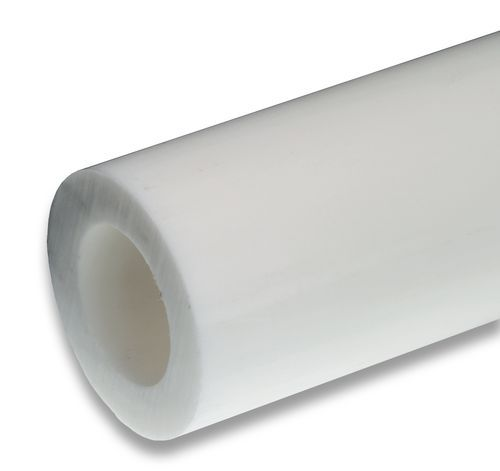
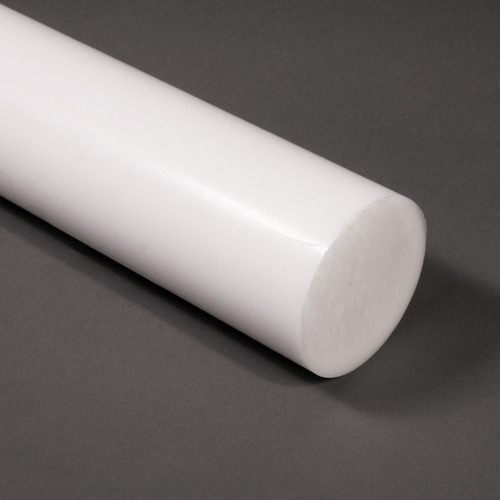
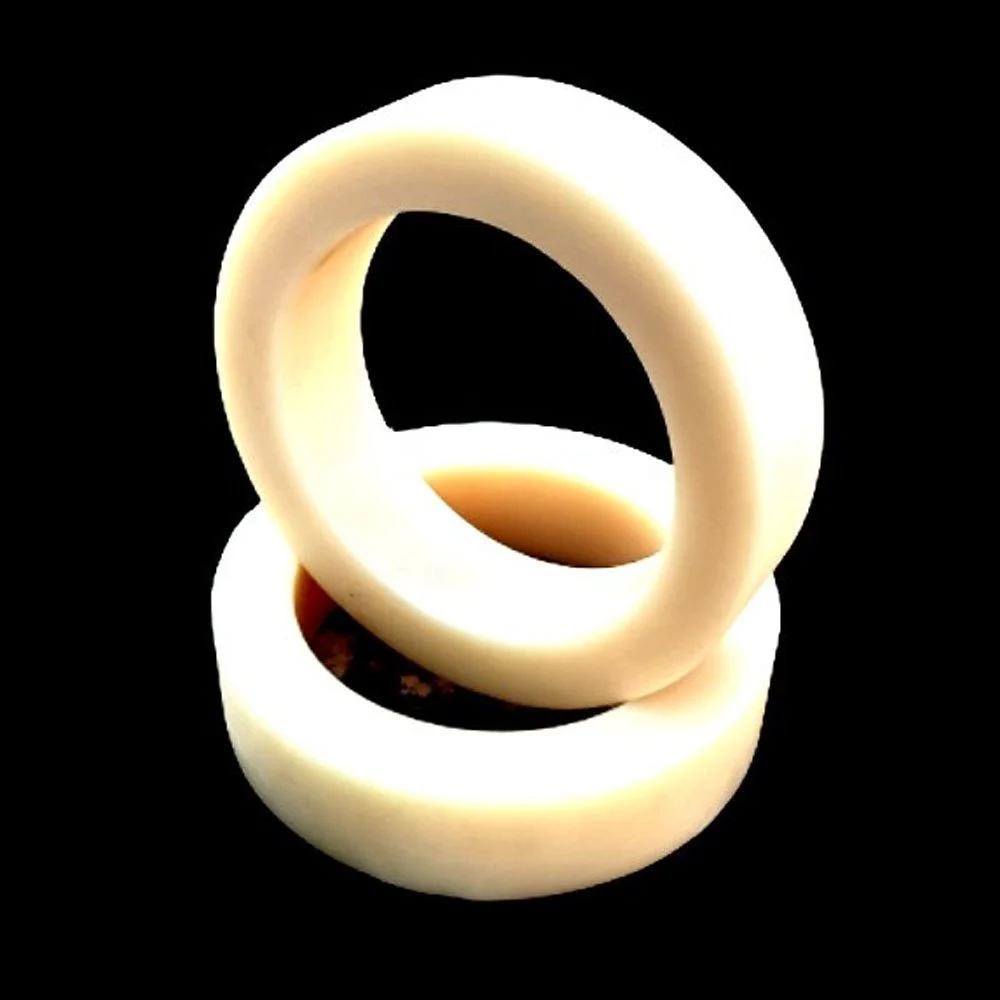
Complete product catalog including cast nylon, POM rods, bushing pipes, and specialized polymers